
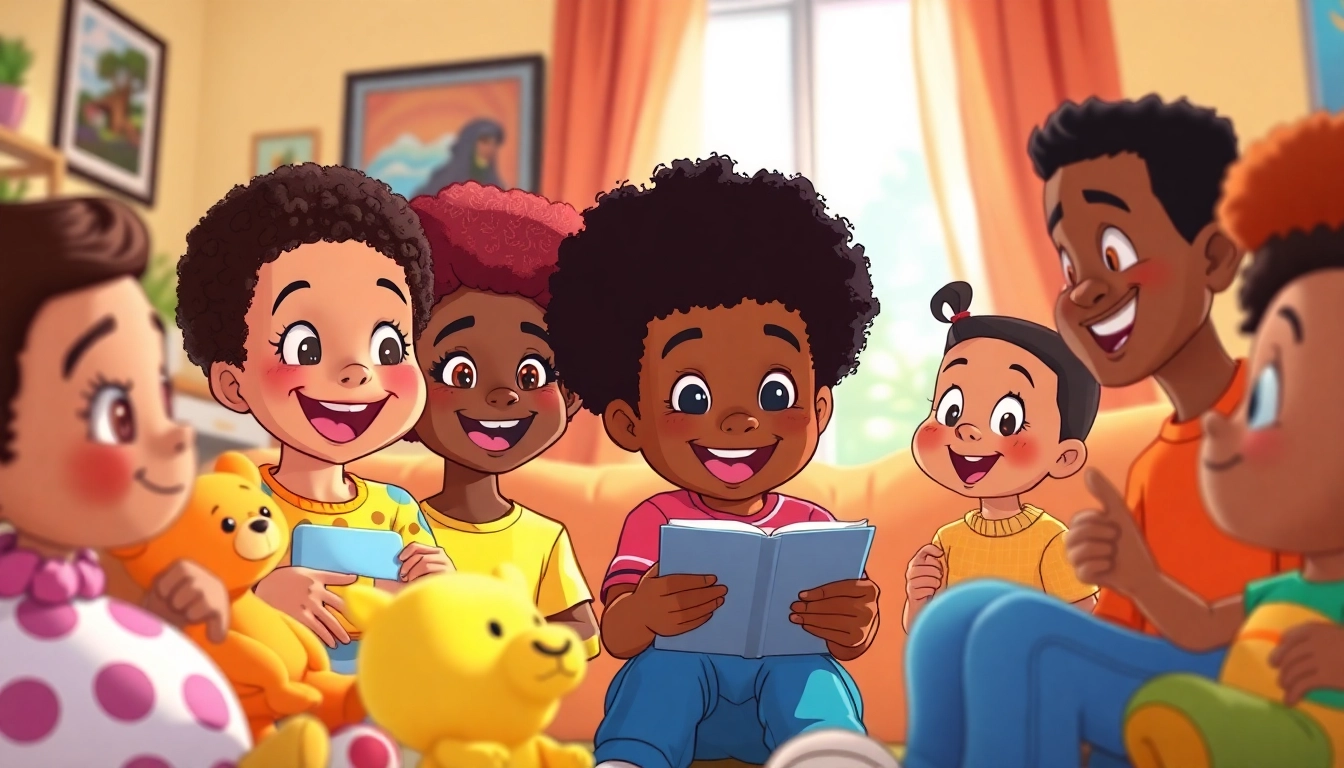
Understanding the Impact of African American Cartoons
The significance of African American cartoons extends far beyond entertainment; they embody cultural identity, foster creativity, and promote diversity in animation. This genre has evolved significantly, showcasing the rich heritage and experiences of African Americans while influencing the broader animation landscape. As we delve into the legacy and contemporary relevance of these animated tales, platforms like African American Cartoons are instrumental in making such content accessible to a wider audience.
The Legacy of African American Animation
Historically, African American animation has served as a powerful medium for storytelling. From the groundbreaking work of pioneers like Floyd Norman, who became the first African American animator at Disney, to modern series that celebrate Black culture, the legacy is rich and diverse. Early representations often fell into stereotypes but have gradually evolved into more nuanced portrayals. Classic shows such as "Fat Albert and the Cosby Kids" not only entertained but also educated young audiences about the realities of urban life, fostering understanding and empathy.
Influence on Modern Animation Trends
Today, African American cartoons are at the forefront of innovation in animation. Series like "The Boondocks" have pushed boundaries with their sharp social commentary, appealing to both kids and adults alike. The rise of streaming platforms has allowed for a broader range of voices and stories, encouraging creators to explore diverse narratives that reflect contemporary issues and cultural heritage. This shift has not only changed audience expectations but has also prompted the animation industry to embrace diversity in storytelling.
Why Representation Matters in Cartoons
Representation in media is crucial for shaping the identities of young viewers. African American cartoons provide relatable characters and stories that reflect the complexities of Black experiences. By showcasing positive role models, these animations foster self-esteem and a sense of belonging among children of color. Studies indicate that children who see themselves represented in the media are more likely to develop a positive self-image and a strong cultural identity.
Top 7 Must-Watch African American Cartoons for 2026
With a wealth of options available, selecting the best African American cartoons can be daunting. However, there are standout series that resonate deeply with audiences, both young and old. Here are the top seven must-watch African American cartoons for 2026, encompassing a mix of classic favorites and innovative new releases.
A Deep Dive into Classic Favorites
- The Boondocks - A satirical look at race and culture, this series remains relevant with its sharp humor and critical insights.
- The Proud Family - Celebrated for its portrayal of a Black family navigating adolescence, this show combines comedy with heartfelt moments.
- Afro Samurai - Known for its unique art style and storytelling, it stars a Black lead character in a world filled with samurai action.
Innovative New Releases to Watch
- Craig of the Creek - Emphasizing friendship and adventure, this show features diverse characters and relatable themes.
- Big Mouth - While not exclusively about African American culture, it includes prominent Black characters and tackles issues of race and identity.
- Motown Magic - An animated series that introduces children to iconic Motown music while celebrating Black culture and creativity.
Why These Cartoons Connect with Audiences
The enduring appeal of these shows lies not only in their humor and animation quality but also in their ability to tackle significant social themes. They resonate with viewers by reflecting real-world issues, allowing audiences to engage in meaningful discussions about identity, community, and culture.
Character Highlights: Iconic African American Figures in Animation
Characters from African American cartoons have made lasting impressions on audiences, each representing unique stories and experiences. These animated figures not only entertain but also serve as cultural icons.
Trailblazers in Animation History
Characters like Huey and Riley Freeman from "The Boondocks" symbolize a new generation of animated figures that challenge societal norms. Their perspectives on race, politics, and identity resonate with viewers, making them significant contributors to cultural conversations.
Modern Characters Making a Difference
In today’s landscape, characters from series like "Doc McStuffins" empower young girls, especially those of color, to see themselves as leaders and healers. Similarly, shows like "The Loud House" incorporate diverse characters, promoting inclusiveness and friendship across different backgrounds.
Fan Favorites and Their Cultural Significance
- Frozone from "The Incredibles" - Represents competence and heroism, breaking the mold for Black characters in superhero narratives.
- Suga Mama from "The Proud Family" - A humorous take on the matriarchal figure, she embodies love, wisdom, and resilience.
- Doc McStuffins - A young girl of color who aspires to be a doctor, inspiring kids to pursue their dreams despite societal challenges.
How African American Cartoons Shape Cultural Conversations
The impact of African American cartoons extends beyond entertainment; they are instrumental in shaping cultural dialogues. Through humor and storytelling, they address pressing social issues relevant to the Black community and society as a whole.
Addressing Social Issues Through Animation
Many African American cartoons have tackled topics such as systemic racism, inequality, and mental health. "The Boondocks," for instance, uses satire to provide commentary on societal injustices, prompting viewers to reflect on their values and beliefs.
Creating Dialogue Around Representation
As these animations gain popularity, they also spark discussions about representation and inclusion in media. Viewers are encouraged to critically assess how different cultures are depicted, paving the way for more inclusive storytelling across all genres.
Promoting Positive Role Models for Kids
Animations featuring strong, positive role models play a crucial role in influencing young minds. They offer kids aspirational figures who showcase traits like resilience, empathy, and leadership, reinforcing the notion that they too can achieve greatness.
Future Trends in African American Animation
The future of African American cartoons looks promising, with several trends emerging that will shape the industry in the coming years.
Emerging Technologies in Animation
The advent of new technologies such as augmented reality and advanced animation software is opening doors for more diverse storytelling methods. These tools allow creators to push creative boundaries and enhance the visual storytelling experience.
The Shift Toward Diverse Storytelling
There is a noticeable shift toward narratives that celebrate the multifaceted nature of African American experiences. As audiences demand more authenticity, creators are increasingly exploring stories that reflect real-life challenges and triumphs, ensuring that representation is not just a trend but a standard.
What to Expect in the Next Decade
As we look ahead to the next decade in animation, we can expect a surge in content that prioritizes diversity and representation. The success of platforms dedicated to showcasing African American cartoons will likely inspire even more creators to share their unique voices and perspectives, contributing to a richer tapestry of animation.