
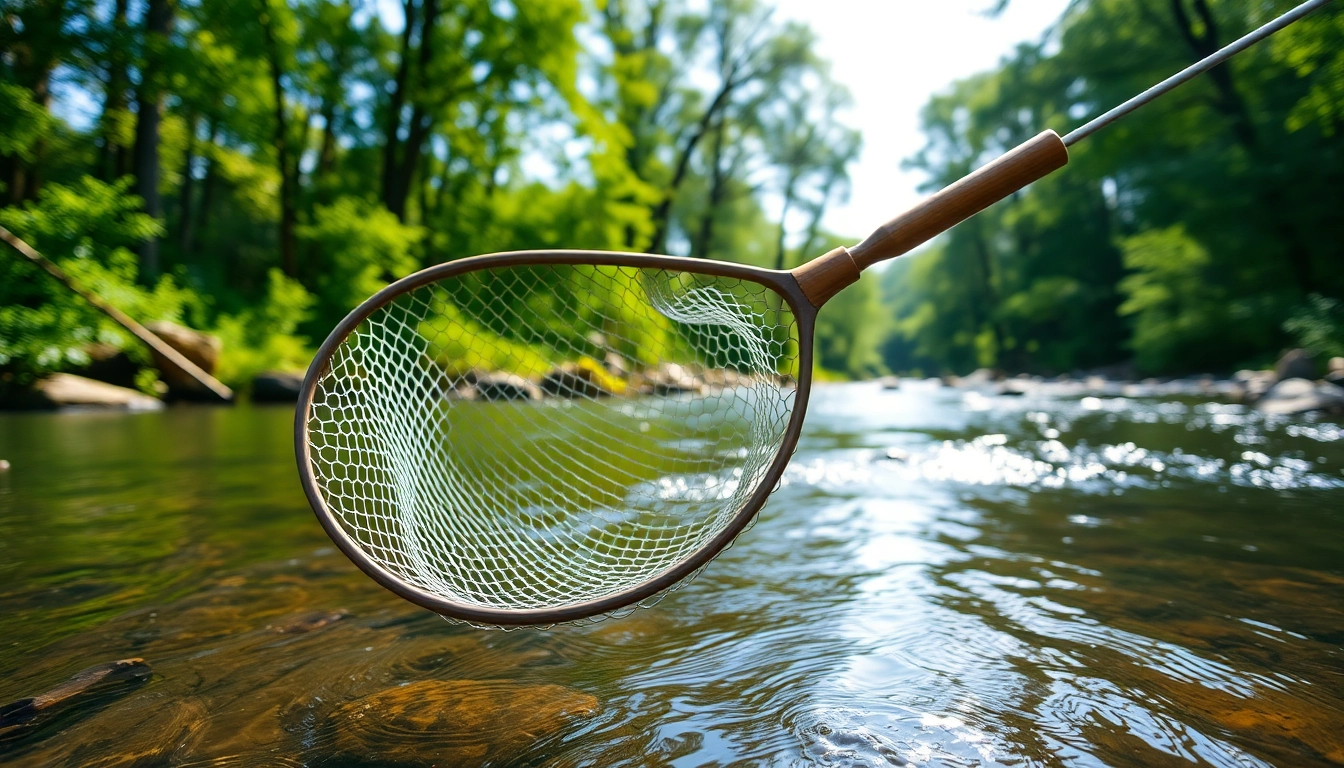
Understanding the Importance of Fly Fishing Nets
When it comes to the art of fly fishing, numerous factors come into play that can dramatically affect your success on the water. One crucial, yet sometimes overlooked, piece of gear is the net. A good Fly fishing net serves multiple purposes, from landing fish efficiently to aiding in their safe release. This article delves into why every angler needs a fly fishing net, the benefits of different materials, key features to look for, and how to choose the right net for your needs.
Why Every Angler Needs a Fly Fishing Net
Every angler knows that a successful catch-and-release is as vital as the act of fishing itself. A fly fishing net is an essential tool in this process, as it allows for quick and effective retrieval of your catch. By utilizing a net, anglers can minimize the time a fish spends out of water, significantly boosting its chances for survival post-release. Less stress for the fish translates to better health and a more robust ecosystem.
Benefits of Using Rubberized Mesh Nets
Rubberized mesh nets have gained popularity among fly fishermen for several reasons:
- Fish-Friendly: The rubber mesh minimizes the risk of damaging the fish’s skin and scales compared to traditional nets made from nylon or cloth.
- Reduced Hook Snags: Rubber nets are less likely to snag hooks, making it easier to release fish without additional stress.
- Water Drainage: These nets drain water quickly, ensuring that you’re not carrying extra weight when landing fish.
Key Features to Look for in a Fly Fishing Net
When considering a fly fishing net, there are several features that can enhance your fishing experience:
- Net Size: Ensure the hoop size fits the type of fish you’re targeting. Smaller nets work for trout, while larger species require bigger nets.
- Weight: Ultralight nets make it easier to carry and maneuver, especially if you’re hiking to your fishing spot.
- Handle Length: Longer handles are versatile and help in delicate landings, especially in waters with rocky edges or dense vegetation.
Types of Fly Fishing Nets
In the world of fly fishing, nets come in various designs suited for different environments and techniques. Understanding these differences can help you select the right type for your fishing style.
How to Choose the Right Net Size
Net size is dictated primarily by the species of fish you expect to catch. For instance:
- Trouth: Nets with a hoop size of 8-15 inches are generally suitable.
- Bass & Pike: A 20-30 inch hoop may be needed for these larger fish.
- Steelhead: Some anglers prefer nets with a hoop exceeding 30 inches for effective landings.
Different Materials Used in Fly Fishing Nets
Manufacturers create nets from a range of materials, each offering unique benefits:
- Wood: Aesthetically pleasing and durable, but can be heavier.
- Aluminum: Lightweight and resistant to corrosion, making it ideal for freshwater and saltwater fishing.
- Carbon Fiber: Offers the strength of aluminum at a fraction of the weight, perfect for long hikes.
Comparing Traditional and Modern Designs
While traditional nets often come in wooden varieties, modern designs include enhanced features such as rubberized mesh and innovative frames. Considerations for modern vs. traditional designs include:
- Ergonomics: Modern nets often feature better ergonomics for improved handling and balance.
- Customization: Many brands offer net customization, allowing you to select features tailored to your needs.
- Durability: Composite materials in modern nets generally increase longevity and can withstand harsh conditions.
Tips for Maintaining Your Fly Fishing Net
To ensure your net remains effective for years, proper maintenance is necessary. Here are essential maintenance tips:
Cleaning and Storing Your Fly Fishing Net
After each use, rinse your net to remove dirt and slime. Store the net in a dry bag or hanging from a hook to prevent moisture buildup, which can lead to mold.
Inspecting for Damage and Wear
Regularly inspect both the mesh and frame for signs of wear. Look for fraying in the mesh or cracks in the frame that may affect performance.
How to Repair Common Issues
Minor tears in the netting can often be repaired using a quick strip of waterproof tape. For damaged frames, epoxy or a similar adhesive can be used to reinforce the compromised sections.
Using a Fly Fishing Net Effectively
Knowing how to properly use a fly fishing net can greatly improve your success rate in landing fish.
Techniques for Catch and Release
To effectively catch and release fish, keep the net in the water as you guide the fish into it. Minimize the time the fish is out of the water to ensure its survival.
Avoiding Damage to Fish When Using a Net
Using a net with rubberized mesh reduces the likelihood of harming the fish’s protective slime layer. Always wet the net before using it to lessen friction.
Best Practices for Safe Handling
When handling a fish, grip it gently and keep it in the water as much as possible. Use the net to support its weight rather than lifting it completely out of the water.
FAQs About Fly Fishing Nets
What is the ideal size for a fly fishing net?
The ideal net size varies based on your target species. For trout, a net with a hoop size of 8-15 inches works well, while larger species may require a hoop over 20 inches.
How do I choose the right material for my net?
Choose material based on durability and weight. Rubberized mesh prevents fish harm, while aluminum is resistant to corrosion and lightweight for handling.
Why are rubber nets preferred by many anglers?
Rubber nets are fish-friendly, minimize snagging hooks, and allow for fast drainage, making them easier to handle in various fishing conditions.
Can I use a fly fishing net for other types of fishing?
While fly fishing nets are specialized, they can be used for light spinning or bait fishing, especially in catch-and-release scenarios.
How can I prolong the life of my fly fishing net?
Regular cleaning, proper storage, and prompt repairs of any wear and tear will significantly prolong your fly fishing net’s lifespan.
