Understanding the Benefits of Shower Screen Door
The decision to install a shower screen door in your bathroom can significantly enhance both the functionality and aesthetics of the space. Unlike traditional shower curtains that can often look outdated or become a breeding ground for mold, the shower screen door offers a modern alternative designed to complement a wide range of decor styles. This article will delve into the benefits of shower screen doors, their types, installation tips, maintenance, and how to choose the right one for your bathroom.
What Makes a Shower Screen Door Unique?
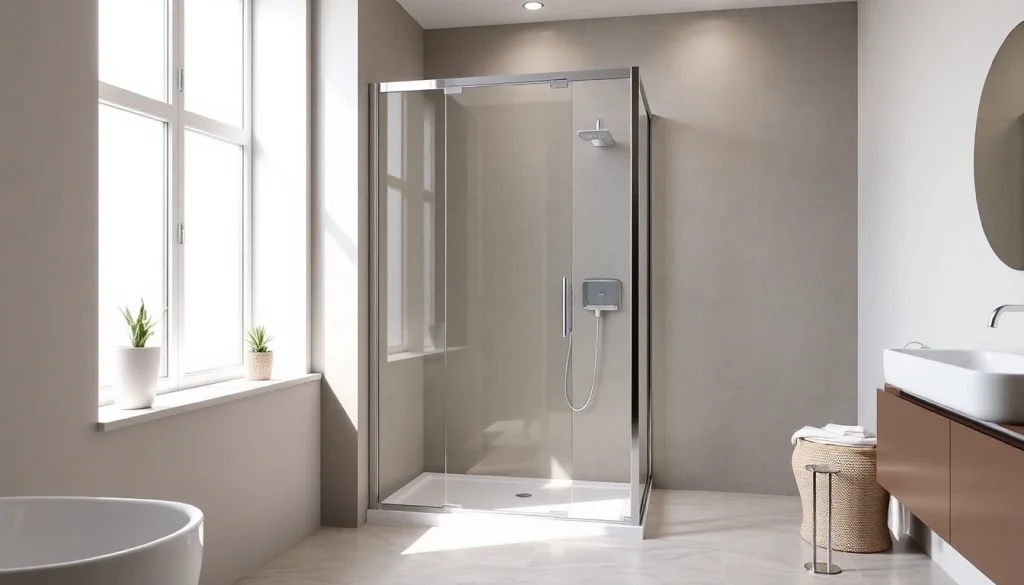
Shower screen doors provide a unique blend of functionality and style. They are designed to contain water within the shower area, preventing slippery floors and maintaining a clean space. Unlike traditional curtains, which may billow or allow water to escape, shower screens are fixed, offering durability and peace of mind. Their visibility allows natural light to flow freely into the bathroom, creating a more open and inviting atmosphere.
Advantages Over Traditional Shower Curtains
Shower curtains can wear down quickly, leading to unsightly stains, mold buildup, and an unpleasant bathroom appearance. Shower screen doors present numerous advantages over curtains, including:
- Durability: Made from tempered glass or acrylic, shower screens withstand daily use and resist cracking.
- Enhanced Hygiene: Easier to clean and less prone to mold and mildew accumulation.
- Aesthetic Appeal: Versatile designs that appeal to different styles from minimalist to luxurious.
- Safety: Slipperier conditions are reduced since water remains inside the shower area.
Material Considerations for Durability
Shower screens are commonly manufactured from materials such as tempered glass, acrylic, and polycarbonate. Each material offers different properties:
- Tempered Glass: Known for its strength and safety; breaks into harmless pieces when shattered.
- Acrylic: Lightweight and shatter-resistant; available in a variety of colors.
- Polycarbonate: Extremely durable and resistant to impacts, though less common in residential settings.
When selecting a material, consider factors such as your bathroom’s environment, how frequently the shower is used, and the overall aesthetic you wish to achieve.
Types of Shower Screen Door Available
Knowing the different types of shower screen doors available can help you make the best choice for your bathroom’s layout and style. Here’s an overview of the most popular types:
Framed vs. Frameless Options
Framed shower screen doors feature a metal frame around the glass, providing additional support and making them a popular choice for high-moisture environments. Alternatively, frameless doors offer a sleek, modern appearance, often perceived as more luxurious due to their clean lines and greater glass visibility. Each has its pros and cons:
- Framed: Generally more affordable and easier to install; however, the frame can trap grime.
- Frameless: Offers a contemporary look and requires less maintenance but can be more expensive.
Bi-Fold and Sliding Designs Explained
When it comes to accessibility and space-saving, bi-fold and sliding doors have their unique advantages. Bi-fold doors hinge outward, folding in on themselves, perfect for smaller bathrooms. Sliding doors glide on a track, making them suitable for larger spaces as they require no additional floor space to open. Both options allow for ease of entry while maintaining a stylish appearance.
Customizable Features to Consider
One of the benefits of modern shower screen doors is the variety of customizable features available. From hardware finishes to glass textures, several options can tailor the door to fit your specific preferences:
- Glass Types: Clear, frosted, or patterned glass can influence privacy and aesthetic appeal.
- Finish Options: Various finishes for handles and hinges such as brushed nickel, chrome, or matte black.
- Height and Width: Custom measurements ensure a perfect fit for your unique space.
Installation Tips for Your Shower Screen Door
Installing a shower screen door requires careful planning and execution. Here are essential tips to ensure a successful installation:
Preparing Your Bathroom Space
Before installation, ensure that your bathroom space is adequately prepared. Measure the area for the shower screen door accurately, accounting for the exact height and width. Check for any existing damage on the walls or floor that may affect the installation. Clear the area of any obstructions to ensure a smooth process.
Essential Tools for Installation
Equipping yourself with the right tools can make installation more manageable. Key tools include:
- Measuring tape for accuracy
- Level to ensure the door hangs straight
- Drills for anchoring the door
- Screwdrivers for assembly
Having these tools ready can streamline your installation process.
Common Mistakes to Avoid
While installing your shower screen door, avoid these common pitfalls:
- Incorrect Measurements: Double-checking measurements can prevent issues with fitting.
- Improper Leveling: Ensure that the door is level, or it may not function correctly.
- Neglecting Sealant: Properly apply sealant around the edges to prevent water leakage.
Maintenance and Care for Shower Screen Door
Regular maintenance will prolong the life of your shower screen door. Here’s how to keep your door in prime condition:
Cleaning Solutions for Stains and Grime
Maintaining a spotless shower screen door is necessary for aesthetic appeal. Use a mixture of vinegar and baking soda as a natural cleaning agent to eliminate stains and soap scum. For tough grime, commercially available glass cleaners or a soft sponge work effectively.
Preventing Water Damage
To prevent water damage, ensure that the door is sealed properly. Regularly check for wear on seals or hinges and replace them as necessary. Consider installing a squeegee to remove excess water after each shower.
Long-term Care Recommendations
For long-term care, promptly address any scratches or chips. Apply a protective sealant yearly to help maintain clarity and prevent any buildup of grime.
Choosing the Right Shower Screen Door for Your Home
Selecting the perfect shower screen door requires consideration of both practical and aesthetic elements. Here are factors to consider:
Assessing Your Bathroom Layout
Consider your bathroom’s size and layout. For smaller bathrooms, bi-fold doors might be best, while larger spaces can accommodate sliding doors. Think about how much space you can allocate for opening and closing the door without obstruction.
Balancing Style with Function
Your choice should reflect your personal style while also being functional. Decide whether you prefer a contemporary look with frameless options or a classic touch with framed designs. The finish should also complement your existing fixtures.
Seeking Professional Advice
If unsure, consult with a bathroom design specialist. They can provide valuable insights based on experience and help you understand different styles, materials, and products that cater to your specific needs.
Frequently Asked Questions
1. How long do shower screen doors last?
Shower screen doors can last anywhere from 10 to 15 years with proper maintenance, depending on the material and usage.
2. Are shower screen doors easy to clean?
Yes, most shower screen doors can be cleaned easily with glass cleaner or a vinegar solution, making maintenance straightforward.
3. Can I install a shower screen door myself?
While it’s possible, professional installation ensures better accuracy and safety, especially with frameless options.
4. Do shower screen doors prevent water leaks?
Yes, they provide a good seal against water leaks when installed correctly, keeping your bathroom dry.
5. What is the cost range for shower screen doors?
Costs can vary widely, typically ranging from a few hundred to several thousand, depending on size, materials, and design.