
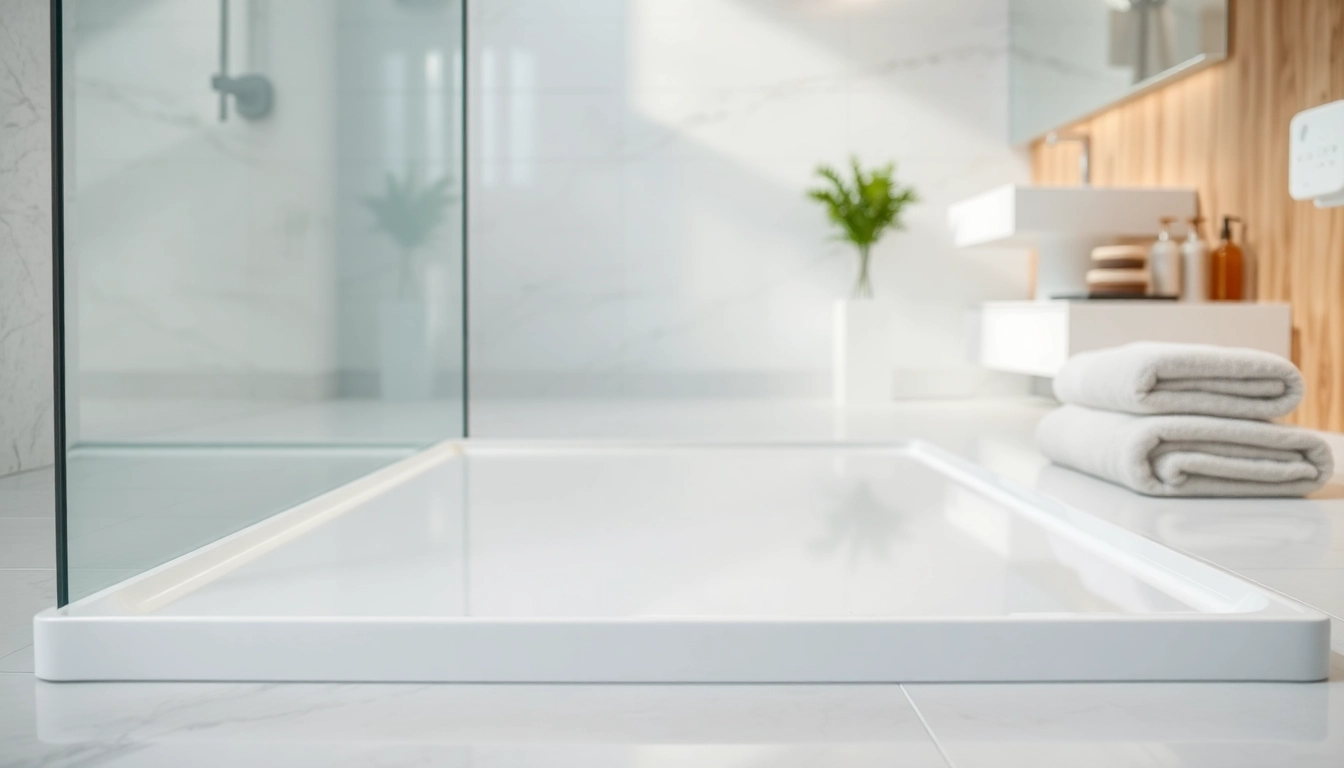
Understanding Types of Shower Bases
When it comes to remodeling a bathroom, one crucial decision you will face is selecting the right shower base. This foundational element not only contributes to the aesthetics of your space but also determines the functionality and comfort of your showering experience. This section will delve into various types of shower bases, comparing their features and benefits to ensure you make an informed choice.
Fiberglass vs. Acrylic Shower Base
Fiberglass and acrylic shower bases are two of the most popular choices on the market. Understanding the differences between the two is essential for selecting the right option for your bathroom renovation.
- Fiberglass: This material consists of a composite of glass fibers and resin. Fiberglass shower bases are known for their affordability and lightweight nature. They are often molded into various shapes, making them versatile for a range of bathroom layouts. However, they can be prone to cracking and may require more maintenance over time.
- Acrylic: Acrylic shower bases are created from a solid sheet of acrylic reinforced with fiberglass. They are generally more durable than fiberglass options and have a glossy finish that resists stains. Furthermore, their solid surface allows for easy cleaning and ensures a long lifespan, making them an excellent choice for high-quality bathrooms.
Custom vs. Prefabricated Shower Base
Choosing between a custom-made shower base and a prefabricated option often comes down to personal preference and budget constraints.
- Custom Shower Bases: These are tailored to your shower specifications and bathroom dimensions. Although they require a more substantial initial investment, custom bases can maximize space and seamlessly fit into unique layouts. They also offer a wider variety of materials and finishes for those wanting a personal touch.
- Prefabricated Shower Bases: These are pre-built units available in standard sizes. They are typically more affordable and easier to install compared to custom bases. However, you may have limited design options, which can pose challenges if you’re aiming for a specific aesthetic or functional requirement.
Factors Influencing Your Choice
Several factors may influence your decision when selecting a shower base.
- Space Available: The size and shape of your bathroom will heavily impact your choice. A smaller space may benefit from a corner shower base, while a larger bathroom could accommodate a more spacious layout.
- Style Preference: Consider your home’s overall design. A contemporary bathroom might be better suited to sleek, modern shower bases, while traditional spaces may call for more classic designs.
- Budget: Factor in your overall budget, including installation costs. Remember, while you may pay more upfront for a custom or high-quality acrylic base, the long-term benefits of durability and ease of maintenance may justify the expense.
Essential Features of a Quality Shower Base
A quality shower base should encompass a range of features that enhance safety, functionality, and longevity. Here are the essential features to look for:
Slip Resistance for Safety
Slip resistance is a non-negotiable feature when it comes to shower bases. Ensuring that your shower base has an appropriate slip-resistant surface is crucial for preventing accidents, especially in households with children or the elderly. The texture of the shower base plays a significant role in enhancing grip and comfort. Many manufacturers include this feature in both fiberglass and acrylic designs.
Drain Placement Options
The placement of the drain is another vital consideration. Different bathroom layouts may necessitate varying drain placements to ensure proper functionality. A well-placed drain can prevent water pooling and create a more efficient drainage system. It’s essential to choose a shower base that aligns with your plumbing system’s configuration and reduces any potential for water damage.
Water Seal Technology
Quality shower bases often feature advanced water seal technology. This prevents leaks that can lead to mold and mildew buildup. It is essential to invest in a shower base with an effective sealing mechanism to protect your bathroom and adjacent areas from water damage and costly repairs. The use of caulking and sealing in corners should complement this technology for added protection.
Installation Considerations for Shower Bases
Proper installation is critical to ensuring the longevity and performance of your shower base. Here are some key considerations to keep in mind:
Preparation Steps Before Installation
Before installation, thorough preparation is essential. This includes measuring the area accurately, ensuring that the subfloor is level, and checking plumbing requirements. Any necessary adjustments to the drainage system should be made prior to installing your shower base. It’s advisable to have a clear plan to avoid unnecessary complications during the process.
Tools Required for a Successful Installation
The right tools are vital for a successful installation. Here’s a list of commonly needed tools:
- Level: To ensure the base is perfectly aligned.
- Screwdrivers: For securing the shower base if required.
- Measuring Tape: For precise measurements and cuts.
- Utility Knife: For making adjustments to the base or membrane as necessary.
- Caulk Gun: To apply sealants effectively.
Common Installation Mistakes to Avoid
Numerous installation mistakes can lead to performance issues down the road:
- Not Checking the Level: An unlevel shower base can lead to water pooling, causing damage over time. Always double-check for level before securing the base.
- Improper Drain Connections: Ensure that the drain connections are correctly sealed to prevent leaks. Double-check that all connection points are secure.
- Neglecting Waterproofing: Failing to waterproof the area adequately can lead to significant problems, including mold growth. Always utilize proper sealants and membranes.
Maintenance Tips for Your Shower Base
Proper maintenance can significantly extend the life of your shower base and keep it looking new. Here are some tips to help you maintain your shower base effectively:
Routine Cleaning Practices
Establish a regular cleaning routine to prevent grime buildup. Use non-abrasive cleaners suitable for your shower base material. Soft sponges or cloths are ideal for avoiding scratches while ensuring that the surface remains spotless. Regular cleaning not only maintains aesthetics but also prevents mold and mildew growth.
Repairing Minor Damages
Over time, minor damages may occur, such as small cracks or scratches. It’s crucial to address these promptly to avoid larger issues. For fiberglass bases, repair kits are readily available that include resin and fiberglass cloth. For acrylic bases, specific acrylic repair kits can be used to restore the surface effectively.
Preventing Mildew and Mold
Mildew and mold can thrive in damp environments, making your shower base a prime target if not adequately maintained. To combat this, ensure proper ventilation in your bathroom. After each shower, squeegee the walls and base to reduce moisture. Additionally, consider using anti-mold sprays or powders that can create a protective barrier against mold.
FAQs About Shower Bases
What is the best material for a shower base?
The best material often depends on your specific needs. Acrylic is durable and easy to clean, while fiberglass is more affordable but may require more maintenance.
How do I ensure my shower base is properly sealed?
Use a high-quality caulk around edges and drain connections. Additionally, consider a shower base with built-in sealing technologies for improved water resistance.
Can I install a shower base myself?
Yes, if you have basic DIY skills and tools, you can install a shower base. However, complex plumbing issues may require professional help.
How do I choose the right size for a shower base?
Measure your available space accurately. Consider the shower type, door configuration, and usability when selecting the base size to ensure optimal fit.
What are the advantages of a custom shower base?
A custom shower base allows for personalized dimensions and can maximize small spaces. It also provides a unique aesthetic tailored specifically to your bathroom style.