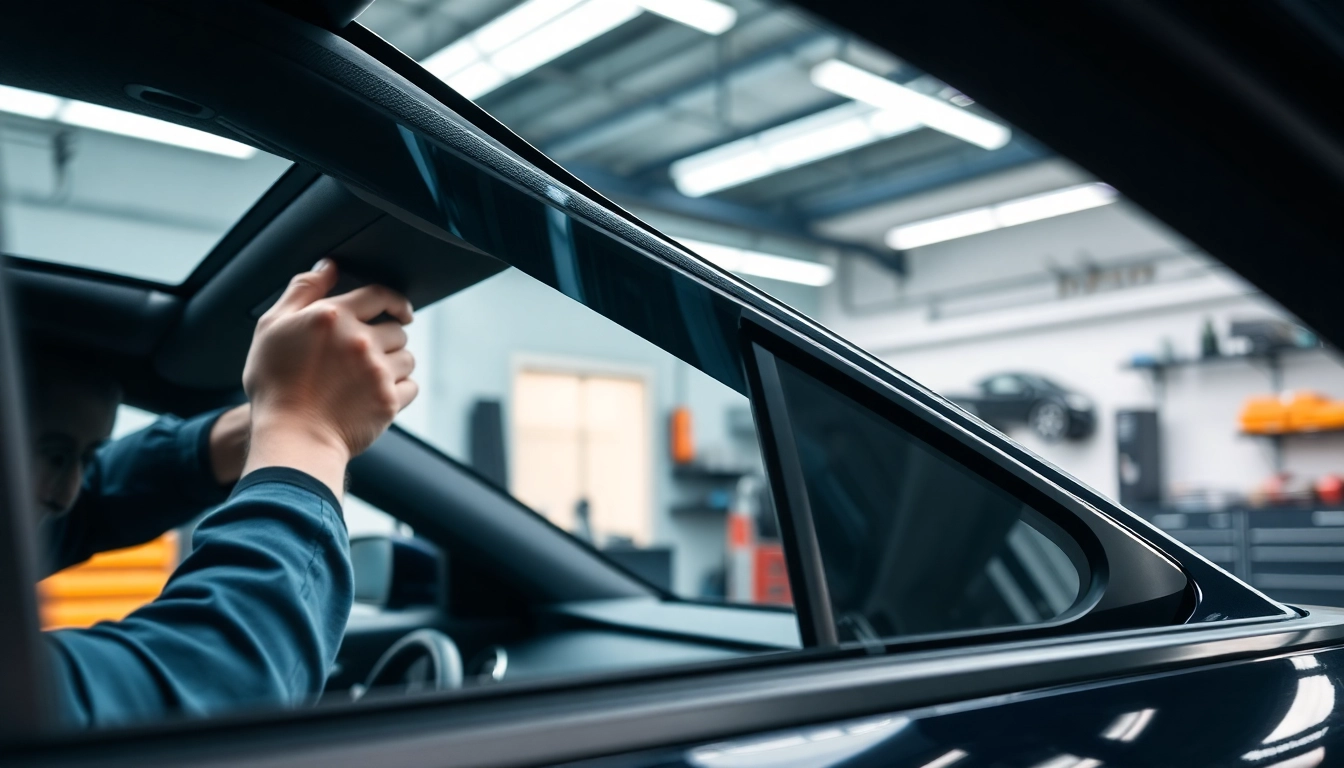
Understanding Ceramic Window Tint
What is Ceramic Window Tint?
Ceramic window tint is a high-performance film that is designed to enhance both the aesthetic appeal and functionality of automotive and residential windows. Unlike traditional window tints, this innovative film is made using advanced ceramic materials that provide superior heat rejection and UV protection without compromising visibility. By incorporating microscopic ceramic particles, this window tint allows sunlight to enter while reflecting harmful infrared rays, ensuring a cooler interior environment.
Benefits of Ceramic Window Tint
The benefits of utilizing ceramic window tint are extensive, making it a popular choice among vehicle owners and homeowners. Here are some key advantages:
- Superior Heat Rejection: Ceramic window tint can block up to 99% of harmful UV rays and a significant amount of infrared light, helping maintain a lower temperature inside the vehicle or home.
- Increased Privacy: The tint provides an added layer of privacy, preventing prying eyes from looking inside without sacrificing visibility for those inside.
- Enhanced Durability: This tint is scratch-resistant and designed to withstand wear, making it a long-term investment.
- Improved Comfort: By keeping interior temperatures cooler, ceramic window tint enhances comfort for passengers and occupants.
- Reduced Eye Strain: The improved glare reduction leads to less eye discomfort for drivers and occupants.
How Ceramic Window Tint Differs from Other Types
Ceramic window tint sets itself apart from other types such as dyed and metalized tints in several ways. While dyed tints are more cost-effective, they often fade over time and provide minimal UV protection. Metalized tints, on the other hand, can interfere with radio signals and may have a shiny appearance that not all consumers prefer. In contrast, ceramic tints offer a non-reflective finish and are free from metal components, which helps avoid signal interference. Thus, ceramic window tint combines performance with a discreet aesthetic that appeals to a broader audience.
Installation Process of Ceramic Window Tint
Preparing Your Vehicle for Tinting
Before you start the installation of ceramic window tint, preparing the vehicle is crucial. Begin by cleaning the windows thoroughly using a lint-free cloth and a glass-friendly cleaning solution. This step ensures that debris and dust do not get trapped under the film during application. Next, remove any window stickers or elements that may obstruct the tint application. It’s also advisable to park the vehicle in a clean, shaded area to prevent dust and heat from impacting the installation process.
Step-by-Step Installation Guide
The installation of ceramic window tint involves several detailed steps:
- Cutting the Film: Measure and cut the ceramic film to slightly larger than the window size.
- Prepping the Film: Apply a solution to the adhesive side of the film to help it adhere properly while allowing adjustments.
- Positioning: Place the film on the window, starting at one edge and slowly moving across to avoid bubbles.
- Smoothing Out Bubbles: Use a squeegee to gently push out trapped air and moisture, working from the center to the edges.
- Trimming the Edges: Once the film is smooth, trim excess material carefully to ensure a perfect fit.
- Final Inspection: Check for bubbles and overall alignment, making adjustments as necessary.
Common Challenges When Installing Tint
While installing ceramic window tint can be a rewarding project, several challenges may arise:
- Bubble Formation: Air bubbles may form if the film is not applied correctly. Using a squeegee can help expel air trapped under the film.
- Heat and Dust: Heat can cause the film to stick prematurely, and dust can lead to imperfections in the installation. Always work in a controlled environment.
- Mismatched Film Size: Inaccurate measurements can lead to either excess or insufficient film. Double-check dimensions before cutting.
Maintenance Tips for Ceramic Window Tint
Cleaning Your Tinted Windows
Proper cleaning techniques are essential for maintaining the clarity and longevity of ceramic window tint. Use a soft microfiber cloth along with a pH-neutral cleaner to avoid damaging the film. Avoid abrasive tools that could scratch the tint or degreasers that could weaken the adhesive. For the best results, clean the windows periodically to prevent grime accumulation.
Preventing Damage and Ensuring Longevity
To ensure the lifespan of your ceramic window tint, avoid rolling down the windows for at least a few days after installation. This allows the adhesive to bond effectively. Additionally, steer clear of using ammonia-based cleaners as they can deteriorate the tint. Regular inspections for fading or peeling will help catch any issues early, enhancing the durability of the application.
Signs Your Tint Needs Replacing
Over time, even high-quality ceramic window tint may show wear and require replacement. Look for signs such as discoloration, fading, bubbling, or peeling edges. If these issues arise, it’s essential to address them promptly, as damaged tint may compromise UV protection and aesthetics.
Legal Considerations for Window Tinting
Understanding Local Tinting Laws
Window tinting laws vary significantly between different jurisdictions, and staying informed is critical. Most areas have regulations regarding the allowable tint percentage, reflectivity, and which windows you can tint. Consult local laws or use state resources to ensure your tinting complies with regulations.
What to Check Before Tint Installation
Before proceeding with tint installation, confirming the specific requirements of your locality is vital. Check local regulations about the darkness level and any certification needed for the film. Ensure that the chosen ceramic window tint adheres to these guidelines to avoid potential fines or the need for costly removal.
How to Stay Compliant with Regulations
To stay compliant with local regulations, always choose certified films from reputable suppliers that provide applicable documentation. Regularly review any updates to local laws and consider consulting professionals who can ensure your setup aligns with regional requirements. Keeping informed will help you enjoy your tinted windows without legal complications.
Innovations in Ceramic Window Tint Technology
Advanced Features of Modern Window Tint
Modern ceramic window tint incorporates numerous advanced features that push the boundaries of performance. Some of these include infrared-dimming capabilities, enhanced scratch resistance, and a range of color options that allow for personalized aesthetics. These innovations not only enhance functionality but also allow consumers to express their individual style.
The Future of Window Tinting Solutions
As technology continues to evolve, the future of ceramic window tinting looks promising. Upcoming innovations may include smart tint technologies that adapt to environmental changes, self-healing materials that repair minor scratches, and even films that can provide thermal energy savings. These developments will further improve the performance, appeal, and sustainability of window tint solutions.
How Technology Enhances Performance
Technological advancements play a significant role in enhancing the performance of ceramic window tint. Techniques like nanotechnology improve heat rejection and UV protection, leading to more efficient energy use. Additionally, research into new materials allows for thinner films that maintain the same level of protection, providing more options for consumers while maximizing benefits.
Frequently Asked Questions
1. How long does ceramic window tint last?
Ceramic window tint can last between 5 to 15 years, depending on factors like maintenance, quality of the film, and environmental conditions.
2. Is ceramic window tint legal in all states?
No, window tint laws vary by state. Always check local regulations to ensure compliance with tinting limits and requirements.
3. Can I apply ceramic window tint myself?
While it's possible to DIY tint, professional installation is recommended for optimal application and to avoid common issues like bubbling or misalignment.
4. How do I remove ceramic window tint?
To remove ceramic window tint, it's best to use a heat gun or steamer to soften the adhesive, then peel away the film carefully to avoid damage.
5. Does ceramic window tint block heat effectively?
Yes, ceramic window tint is renowned for its excellent heat rejection capabilities, helping to keep interiors cooler and more comfortable.