Understanding the Importance of a Fly Fishing Bag
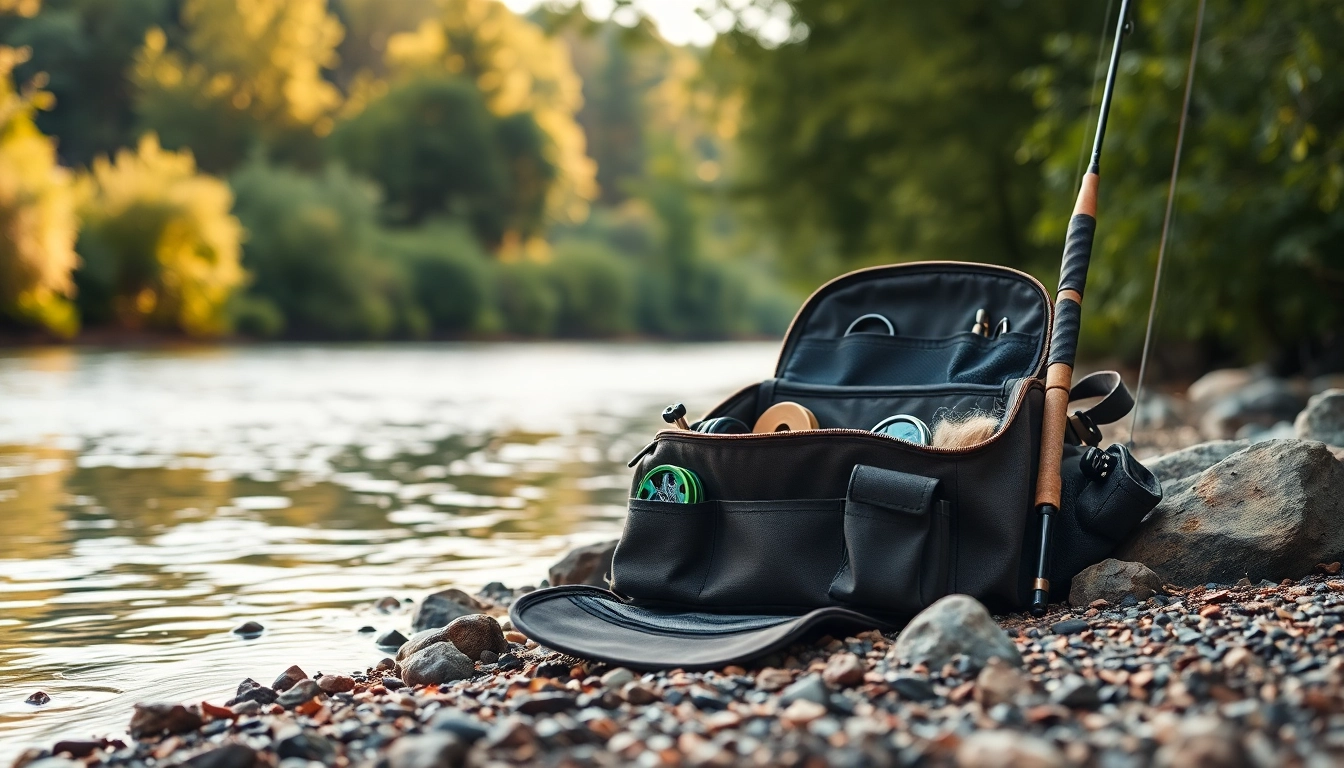
When it comes to fly fishing, having the right gear can significantly enhance your experience on the water. One of the most essential pieces of equipment for any angler is a fly fishing bag. This seemingly simple accessory serves a multitude of purposes, proving crucial for fishing trips both short and long. Whether for carrying fly boxes, tools, clothing, or personal items, a well-chosen fly fishing bag can make all the difference. In this article, we’ll explore why choosing the right bag is so important and how it enhances organization and efficiency on your adventures.
Functionality: Why the Right Bag Matters
The primary function of a fly fishing bag is to provide a practical and organized way to carry all necessary gear. Unlike traditional tackle boxes, fly fishing bags are designed specifically for the unique requirements of fly fishing, which often involves a variety of smaller, delicate items like flies, tippets, and specialized tools. A well-structured bag minimizes the time spent rummaging through your gear, allowing you to focus on what matters—catching fish.
Moreover, the right bag enhances mobility. Whether you are hiking into a remote stream or navigating a busy riverbank, a fly fishing bag that fits well and distributes weight evenly can make a substantial difference in comfort and ease of transportation. The functionality of your bag can significantly influence your overall fishing experience, making it crucial to choose wisely based on your specific fishing needs.
Types of Fly Fishing Bags: Which One is Right for You?
There are several types of fly fishing bags available, each suited to different styles and preferences. Understanding the various options can help you choose the best bag for your needs:
- Backpacks: Ideal for longer hikes, these bags typically come with ample storage space, allowing you to carry extra gear and personal items comfortably.
- Waist Packs: These smaller bags allow for quick access to essential items while keeping your hands free for fishing. They are perfect for short trips or days when minimal gear is needed.
- Tackle Bags: Designed with compartments to hold multiple fly boxes and tools, tackle bags are the best option for organized gear storage.
- Chest Packs: These bags sit at chest level, keeping essential items easily accessible without the need to set down a pack during fishing.
Consider your fishing style, the environment you typically fish in, and the amount of gear you need to carry when selecting the best type of fly fishing bag for your adventures.
Durability and Material Considerations
Durability is another critical factor when selecting a fly fishing bag. The material used in construction can impact not only the weight of the bag but also its longevity and resistance to wear and tear. Common materials include:
- Nylon: Lightweight and tear-resistant, nylon is a popular choice due to its durability and resistance to water.
- Polyester: This material provides excellent abrasion resistance and is often treated for water repellence, making it suitable for various weather conditions.
- Canvas: While heavier, high-quality canvas offers exceptional durability and a classic look. It’s often used for larger packs and tackle bags.
When choosing a bag, look for reinforced stitching, heavy-duty zippers, and waterproof coatings. Such features can significantly extend the life of your fly fishing bag, ensuring your investment serves you for many fishing trips to come.
Key Features of an Ideal Fly Fishing Bag
When searching for the perfect fly fishing bag, there are several key features to consider that enhance usability and comfort. Knowing what to look for will help you make a well-informed choice.
Compartments and Organization Techniques
A fly fishing bag should have various compartments designed for specific items. Effective organization is crucial for quick access while out on the water, and features such as:
- Multiple pockets: Look for bags with various sizes of pockets—zippered for secure storage and mesh for visibility—to help categorize tools, flies, and accessories.
- Adjustable dividers: Some bags allow you to customize the size of individual compartments, catering to your specific needs and the types of flies or tools you use.
Good organization techniques can save time and reduce frustration, especially on busy fishing days.
Padded Straps for Comfort During Long Trips
Comfort is key when you are out on the water for extended periods. Bags with padded, adjustable straps will prevent discomfort and fatigue as you navigate trails or wait for the perfect catch. Look for features such as:
- Ergonomically designed straps: Ensure that the bag conforms to your body shape.
- Additional support: Some bags come with chest and waist straps, distributing weight evenly and improving stability during movement.
Choosing a bag with comfortable straps will allow you to focus on your fishing rather than discomfort from carrying your gear.
Water Resistance: Protecting Your Gear
Weather conditions can change rapidly when fishing, making water resistance a vital feature for any fly fishing bag. A good bag will protect your gear from unexpected splashes and rain. Look for:
- Waterproof materials: Ensure the outer fabric is treated to repel water.
- Waterproof zippers and closures: These features help keep water from seeping into compartments and damaging your gear.
Having a water-resistant fly fishing bag is not just about comfort; it’s about preserving the quality and usability of your fishing equipment.
Choosing the Right Size for Your Needs
Size is an important consideration when selecting a fly fishing bag. The right size will vary based on personal preferences and fishing styles.
Small vs. Large: What's Best for Different Fishing Styles?
Smaller bags, such as waist packs and chest packs, are advantageous for anglers who favor minimalism and want to maintain mobility. They are suitable for short trips where quick access to essentials is imperative.
On the other hand, larger bags or backpacks offer much more storage, which is beneficial for longer excursions where you may need to carry extra gear, food, and personal items. The trade-off is that they can be more cumbersome to manage on the water.
Determine your fishing style, the duration of your trips, and the amount of gear you typically carry to choose the right size for your needs.
How to Balance Storage with Portability
Finding the right balance between storage and portability is crucial to ensure you have the necessary gear without feeling burdened. Here are a few tips to consider:
- Prioritize essential gear: Carry only what you need for the day's fishing. Assess what tools, flies, and accessories you genuinely use.
- Opt for modular systems: Some bags feature removable compartments or bags, allowing you to customize what you bring based on the trip. This flexibility can enhance both storage options and portability.
This way, you can enjoy your fishing without the hassle of unnecessary weight holding you back.
What to Pack: Essential Gear for Every Trip
Knowing what to pack can optimize your experience and further ensure your fly fishing bag meets your needs. Essential gear typically includes:
- Fly boxes: To organize your flies, bring multiple boxes for different types of flies tailored to various conditions.
- Leaders and tippets: These components are crucial for making effective casts and landing fish.
- Tools: Don’t forget about nippers, forceps, and a fly floatant, as these tools enhance your fishing efficiency.
- Sun protection: Sunscreen and sunglasses are important to protect against UV rays during prolonged exposure.
- Snacks and hydration: Energy-boosting snacks and adequate water supplies increase your stamina during lengthy trips.
Packing the right equipment targeted to your trip’s requirements will help ensure a successful and enjoyable day on the water.
Care and Maintenance for Your Fly Fishing Bag
Proper care and maintenance of your fly fishing bag can significantly extend its lifespan. Taking the time to clean, store, and repair your bag can save you money and ensure it remains functional for many fishing seasons.
Cleaning Tips for Longevity
Routine cleaning can prevent dirt and moisture from building up, which can lead to fabric deterioration over time. Here are a few tips:
- Remove contents: Always take out gear before cleaning your bag.
- Hand wash: Use mild soap and warm water to gently scrub both the inside and outside surfaces. Pay attention to pockets that might accumulate debris.
- Dry thoroughly: Ensure your bag is completely dry before storing it to prevent mold and mildew.
Establishing a regular cleaning routine will help ensure your bag remains in peak condition.
Storage Solutions for Off-Season Care
Off-season storage is equally important. Here are a few solutions to protect your bag when it isn't in use:
- Store in a cool, dry area: Keep your bag away from direct sunlight and extreme temperatures, which can damage fabric and materials.
- Use a storage container: A breathable storage container can protect the bag while allowing it to maintain airflow.
- Keep it organized: Store items in each compartment as you typically would to maintain the bag’s shape.
Taking these steps will ensure that your bag is ready to go when fishing season rolls back around.
Repairing Common Damages
No matter how careful you are, wear and tear can happen. Knowing how to handle common damages can extend the life of your bag:
- Repairing zippers: If a zipper breaks or comes off track, consider replacing it or reworking it. Professional repair services can help if the issue is complicated.
- Patch small tears: For minor tears, a simple fabric patch and an appropriate adhesive can do the job. For larger damages, seek professional repair.
Being proactive about minor damages can prevent them from escalating, ultimately preserving your investment.
Where to Buy a Quality Fly Fishing Bag
When it comes time to purchase a fly fishing bag, knowing where to shop can make the process easier. Whether you opt for a physical store or online retailer, both have unique benefits.
Online vs. In-Store: Pros and Cons
Each shopping method offers distinct advantages. Here are some key considerations:
- Online Shopping: Offers a broader selection, often at competitive prices, along with the convenience of shopping from home. However, you can't assess the product's physical quality until it arrives.
- In-Store Shopping: Allows you to inspect bags personally, try on for fit, and ensure the bag meets your standards before purchasing. However, the selection can be limited.
Consider your preferences and needs when deciding on a shopping method to ensure you find the best bag for your adventures.
Top Brands to Consider for Quality Gear
When looking for a quality fly fishing bag, consider established brands known for their reliability and performance. Some top brands to research include:
- Simms: Renowned for their high-quality construction and innovative designs, Simms bags are a favorite among serious anglers.
- Fishpond: Combining style with functionality, Fishpond offers bags that are both aesthetically pleasing and practical.
- Orvis: With a long-standing reputation in the fishing community, Orvis provides durable bags that come with thoughtful features tailored for anglers.
Researching brands will enhance your chances of finding a bag that meets your needs while holding up over time.
How to Spot a Good Deal Without Sacrificing Quality
Finding a great deal on a fly fishing bag doesn't mean you need to compromise on quality. Here are tips to ensure you get value for your investment:
- Look for sales: Many retailers offer discounts during specific seasons or clear-out sales.
- Read reviews: Customer feedback can provide insights into a bag’s durability and functionality, helping you avoid low-quality options.
- Check return policies: Ensure you can return or exchange the bag if it doesn’t meet your expectations.
These strategies can help you navigate the purchasing process and find the best bag for your needs within your budget.