Understanding Structural Steel Welding Basics
What Is Structural Steel Welding?
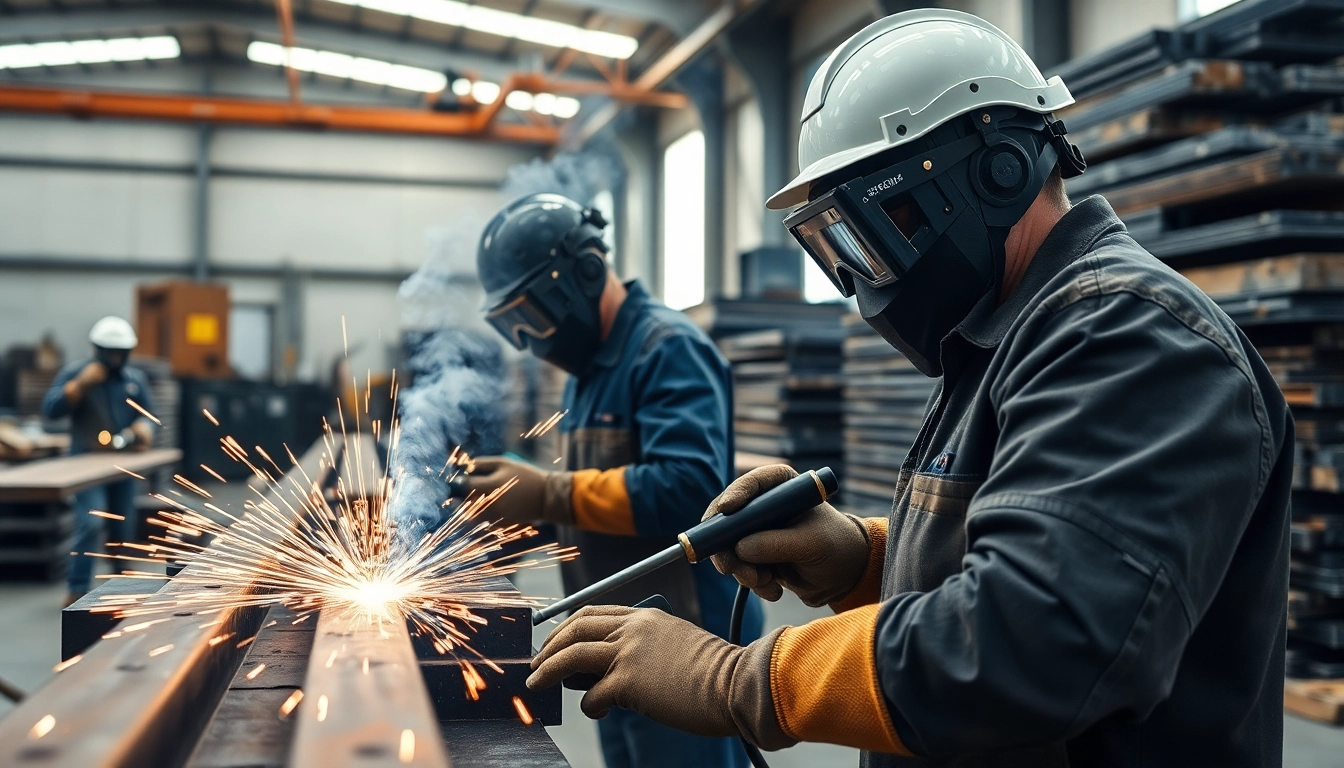
Structural steel welding is a specialized process that involves joining steel components to create structures that can bear loads and withstand environmental conditions. This method is integral in construction projects involving buildings, bridges, and other infrastructures. In essence, welding fuses the metallic pieces at their edges or surfaces through the application of heat, pressure, or both, resulting in a strong, continuous joint.
The most common types of structural steel welding include MIG (Metal Inert Gas), TIG (Tungsten Inert Gas), and SMAW (Shielded Metal Arc Welding), each offering unique advantages suited to specific applications. A nuanced understanding of these methods is necessary to ensure that structural integrity is maintained throughout the welding process.
The Importance of Quality in Structural Steel Work
The quality of welding in structural steel work directly impacts the safety and durability of engineered structures. Inadequate welding can lead to catastrophic failures, costly repairs, and compromised safety for users and maintenance personnel alike. Factors such as joint design, selection of materials, and adherence to established welding codes play critical roles in ensuring the quality of the weld.
Implementing quality assurance procedures not only minimizes defects but also enhances the reliability of the structure. Documenting the welding processes, performing inspections, and maintaining compliance with industry standards are pivotal in producing high-quality welds.
Materials Used in Structural Steel Welding
A variety of materials can be utilized in structural steel welding, especially when considering the types of steel and other metals involved. Typically, carbon steel is the primary choice due to its excellent weldability and structural integrity. However, alloy steels, stainless steels, and even higher-strength steels are gaining traction for their added benefits in specific applications.
Additionally, the choice of filler materials can significantly influence the final properties of the welded joint. The selection depends on several factors, including the base material, the type of welding being performed, and the operational environment of the finished product. Understanding the interaction of different materials during welding is essential for achieving the desired performance.
Common Techniques in Structural Steel Welding
MIG and TIG Welding Methods
MIG and TIG welding are popular approaches in structural steel welding, each serving its own niche based on the project requirements and materials involved. MIG welding, known for its speed and versatility, involves feeding a continuous solid wire electrode through a welding gun. This technique is particularly effective for thicker materials and can be used in various positions.
TIG welding, on the other hand, is characterized by its precision. It involves a non-consumable tungsten electrode to create the arc and separate filler material used as needed. While typically slower, TIG welding produces high-quality welds that are essential for applications requiring aesthetic integrity and mechanical performance.
Shielded Metal Arc Welding (SMAW)
SMAW, often referred to as stick welding, is another technique used extensively in structural steel applications. It is lauded for its simplicity and ability to be performed in various settings, including outdoor conditions. The process uses a manual electrode that is coated in flux, which protects the molten metal from contamination.
This method is particularly advantageous for maintenance and repair work, where other techniques may be less practical. However, the skill level required for SMAW is higher than for MIG and thus requires significant training and experience to master.
When to Choose Each Welding Technique?
Choosing the right welding technique hinges on factors such as job specifications, material types, and environmental conditions. MIG welding is typically preferred for production work due to its efficiency, while TIG welding is favored for projects requiring a higher level of control and finish quality. SMAW, with its ease of use and flexibility, is an excellent choice for field work and repair tasks. Understanding the unique strengths and applications of each method allows welders to make informed decisions tailored to their specific needs.
Challenges in Structural Steel Welding
Dealing with Material Inconsistencies
One of the significant challenges in structural steel welding is dealing with material inconsistencies, such as variations in steel grades and surface imperfections. These inconsistencies can lead to weak welds if not addressed properly. Therefore, it is crucial to conduct thorough inspections of materials prior to welding and ensure that they meet requisite specifications.
Additionally, adapting welding parameters to suit the unique characteristics of the material, such as its thickness and chemical composition, can help mitigate the risks associated with material inconsistencies. Consistency in preparation, cleaning, and pre-heating of materials is equally essential.
Addressing Heat Distortion Issues
Heat distortion presents another challenge in the welding process. When heated, steel tends to expand, and as it cools, it contracts. This can lead to warping and misalignment of the steel components. Choosing the right sequence of welds can significantly minimize distortion. For example, practicing multi-pass welding or implementing strategic cooling techniques can help control the temperature variations that lead to distortion.
Moreover, utilizing tools such as clamps and jigs during the welding process can help hold parts in place, reducing the likelihood of distortion as the welds cool. Pre-heating the steel can also be an effective measure to counteract the effects of heat distortion.
Safety Concerns in Welding Practices
Welding is a hazardous activity that can pose various safety risks if proper precautions are not taken. Common safety concerns include exposure to harmful fumes and gases, electrical shocks, and the danger of fire. Implementing rigorous safety protocols, such as using protective equipment like helmets, gloves, and respirators, is essential in minimizing these risks.
Additionally, providing adequate training to welders on safe practices and ensuring that the workspace is free of flammable materials can further enhance workplace safety. Regular equipment maintenance and safety checks are also crucial in reducing accidents.
Best Practices for Efficient Structural Steel Welding
Preparing Your Workspace
A well-organized and clean workspace is fundamental for efficient welding. Ensuring that tools and materials are neatly arranged and easily accessible can save time and reduce frustration during the welding process. Proper ventilation is also necessary to mitigate the risks associated with fumes and particulates. Regularly inspecting tools and equipment ensures that they are in good condition, which further promotes a safe and productive working environment.
Choosing the Right Equipment
The importance of selecting the right equipment for structural steel welding cannot be overstated. This includes evaluating the type of welding machine, the appropriate size and type of electrodes, and any supplemental equipment that may support the welding process. Investing in high-quality equipment ensures better performance and minimizes the risks of equipment failure.
It is equally important to continually upgrade skills and knowledge regarding new tools and technologies available in the welding industry. Utilizing advanced equipment, such as automated welding systems, can enhance efficiency and reduce manual effort.
Implementing Quality Control Measures
Quality control is a cornerstone of successful structural steel welding. Establishing clear guidelines for visual inspections and testing procedures helps maintain the integrity of welds and final structures. Employing non-destructive testing methods such as ultrasonic testing and radiographic testing can further ensure the quality of welds without compromising the components being evaluated.
Documentation of welding procedures and inspection results fosters transparency and helps identify areas of improvement in the welding process. This, coupled with ongoing training for welders, can significantly enhance the overall quality of structural steel welding projects.
Future Trends in Structural Steel Welding
Automation and Robotics in Welding
The future of structural steel welding is increasingly leaning towards automation and robotic technologies. Automated welding systems can perform repetitive tasks with remarkable precision, leading to higher productivity and reduced human error. Robotic welders are programmed to adhere to specific welding parameters, ensuring consistent quality across multiple projects.
The integration of artificial intelligence and machine learning in automation systems allows for real-time adjustments based on data, further enhancing efficiency. However, embracing these technologies also requires training and adaptation within the workforce to fully leverage their benefits.
Emerging Materials and Techniques
As advancements in materials science continue to evolve, new materials with enhanced properties are frequently emerging within the structural steel domain. High-strength steels, lightweight composites, and innovative alloys are gaining popularity for their potential to improve structural efficiency, reduce weight, and enhance durability.
Additionally, innovative welding techniques are being explored, focusing on sustainability and environmental effects. Processes that minimize emissions and energy consumption are becoming crucial considerations in modern welding practices.
Sustainability in Steel Welding Practices
With growing awareness regarding environmental impacts, sustainability is increasingly influencing structural steel welding practices. Utilizing recycled materials and reducing waste during the welding process not only benefits the environment but can also lead to significant cost savings for companies.
Implementing energy-efficient welding solutions and technologies can help in minimizing the carbon footprint. Adoption of sustainability practices is quickly becoming a competitive advantage in the structural steel industry, enabling companies to align with market demands focused on corporate responsibility and environmental stewardship.
Understanding these fundamentals and trends in structural steel welding enhances the competency of welders and businesses, enabling them to produce safe, durable, and efficient steel structures for future generations.