Understanding the Importance of Attics
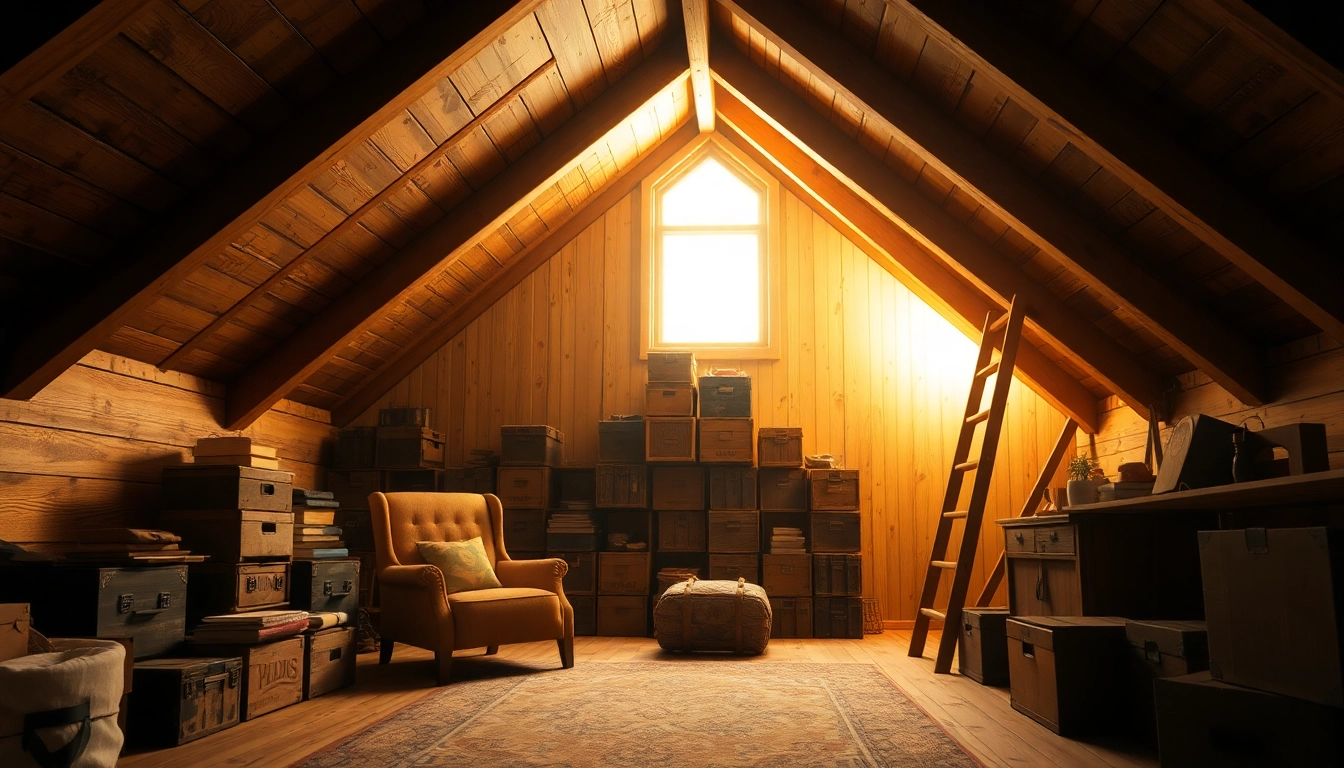
Attics often serve as an underappreciated component of our homes, holding immense potential for both functionality and aesthetic appeal. These often-overlooked spaces can offer additional room for storage, personal projects, or even cozy retreats, enhancing your home’s overall value and usability. Understanding the attics and their importance is pivotal for any homeowner looking to maximize space and utility.
What Makes Attics Unique?
Attics possess distinct characteristics that separate them from other areas of the home. Their sloped ceilings and varied heights can create interesting architectural features, allowing for creativity in design and space usage. The unique shape often results in cozy nooks and quiet corners that can be repurposed for a range of activities, from reading to crafting.
Potential Uses of Attics
The versatility of attics is one of their most appealing qualities. Depending on the homeowner's needs and preferences, attics can be transformed into:
- Storage Spaces: Ideal for seasonal decorations, family heirlooms, or sports gear.
- Functional Rooms: Extra bedrooms, home offices, or playrooms can thrive in attics with adequate insulation and design consideration.
- Creative Studios: Artists and musicians can use attics for studios, which can benefit from the privacy and natural light.
Common Challenges in Attics
While attics offer many opportunities, they also pose some common challenges. Limited headroom, poor ventilation, and accessibility can turn these spaces into sources of frustration rather than enjoyment. Addressing these issues proactively can ensure that attics remain functional and comfortable:
- Insulation: Proper insulation is paramount to prevent heat loss and maintaining comfort.
- Ventilation: Attics can become hot and stuffy if not adequately ventilated, leading to mold and musty odors.
- Access: A well-placed staircase or ladder is necessary for ease of access; substantial storage can often make it difficult to navigate.
Essential Preparations for Your Attic
Before diving into any renovations or usage changes for your attic, it's essential to assess its current condition and plan carefully. Proper preparation can significantly affect the functionality and durability of the space.
Assessing Attic Conditions
The first step in preparing your attic is to assess its current condition. Look for signs of moisture, leaks, or pests, which can compromise the integrity of not just the attic but the entire home. Ensure that the insulation is intact and that there is no damage to the roof or structure. A detailed evaluation will help in planning any renovations effectively.
Planning Space Utilization
Once you understand the existing conditions, it’s time to plan how to utilize the space. Think about how you intend to use the attic and draft a layout. Consider design elements such as:
- Flooring: Choose lightweight materials that won’t burden the structure.
- Walls and Ceiling: Opt for paint colors that create a sense of openness.
- Accessibility: Plan the position of staircases or ladders to facilitate access.
Choosing Materials and Tools
Selecting the right materials and tools is essential for transforming your attic efficiently. Lightweight, durable materials are often preferred due to weight constraints, including:
- Lightweight plywood for shelving and flooring.
- Insulation materials such as fiberglass or foam.
- Compact and efficient lighting solutions like LED fixtures.
Creative Storage Solutions for Attics
Your attic can be an excellent storage solution with the right approach. Creative storage not only maximizes space but also maintains an organized and functional area.
Creative Shelving Ideas
Custom shelving can be a game-changer in an attic. Consider building shelves that take advantage of the sloped ceilings and walls, such as:
- Floating Shelves: These create an open feel and can hold books and decorative items.
- Corner Shelves: Ideal for maximizing corners where traditional shelving may not fit.
- Built-in Cabinets: These can seamlessly integrate into wall spaces while providing ample storage.
Utilizing Vertical Space
Vertical storage is crucial in an attic, where floor space may be limited. Options include:
- Overhead Bins: Install bins near the ceiling for items not needed regularly.
- Stackable Bins: Clear, stackable bins allow for easy retrieval and organization of seasonal items.
- Hanging Racks: Consider wall-mounted racks for bicycles or sporting equipment.
Smart Furniture Choices
If you're planning to use your attic as a gathering space or functional room, smart furniture choices can enhance comfort and utilization:
- Multi-functional Furniture: Pull-out couches or beds can help maximize space.
- Foldable Tables: These can provide surface area only when needed.
- Ottomans with Storage: Ideal for keeping blank storage while providing additional seating.
Designing an Inviting Attic Space
Transforming your attic into a welcoming area goes beyond functionality and storage. It’s about creating a space that feels warm and inviting.
Color Schemes and Aesthetics
The right color scheme can transform an attic from a dark, dusty space into a bright, welcoming area. Consider light colors to open up the space, alongside accent colors that reflect your personality. Pastels, whites, and creams can make the area feel airy, while darker hues can create a cozy retreat when balanced with adequate lighting.
Lighting Considerations for Attics
Bright, effective lighting is essential in attics where natural light may be limited. Here are a few ideas:
- Skylights: These can bring in natural light while providing a beautiful view of the sky.
- Wall Sconces: Perfect for adding ambient light without consuming floor space.
- LED Track Lighting: This can highlight key areas and enhance functionality.
Incorporating Personal Touches
Add personal touches to make the attic feel less like a storage space and more like an extension of your home. Consider:
- Artwork: Personal photographs or artworks can bring warmth.
- Textiles: Throw rugs, pillows, and curtains add comfort and style.
- Plants: Indoor plants can improve air quality and bring a sense of nature indoors.
Maintaining and Care for Your Attic
Once your attic space has been successfully prepared, designed, and utilized, ongoing maintenance becomes crucial to ensure it remains functional and damage-free.
Regular Inspections and Cleaning
Implement a schedule for regular inspections and cleaning of the attic. This should include:
- Checking for pests or signs of infestation.
- Looking for any leaks or signs of moisture.
- Clearing dust and clutter to maintain cleanliness and air quality.
Seasonal Maintenance Tips
Different seasons bring unique challenges. Here are some tips to prepare your attic:
- Winter: Ensure that insulation is secure to prevent heat loss and consider using a dehumidifier to reduce moisture.
- Summer: Check ventilation systems; ensure airflow to cool the space properly.
- Spring and Fall: Perform comprehensive clean-ups, focusing on clearing seasonal items.
Transforming Attics for Different Seasons
Consider how your attic space can be adapted for each season. This flexibility ensures you enjoy the attic year-round:
- Summer: Light linens and airy decor can make an attic feel more inviting.
- Winter: Cozy textiles, warm lighting, and seasonal decor can enhance the atmosphere.
- Holiday Decor: Use the attic for festive storage and showcase seasonal decorations.
FAQs
How can I improve storage in my attic?
Maximize vertical space with shelves and use clear bins for visibility. Incorporate furniture that doubles as storage.
What lighting works best for attics?
Natural light is ideal; consider skylights. Use LED fixtures for bright, energy-efficient illumination.
Can attics be renovated into living spaces?
Yes, attics can be transformed into guest rooms or offices with proper insulation and design.
What should I avoid when designing attics?
Avoid overcrowding; it can make spaces feel cramped. Plan for flow and accessibility.
How often should I inspect my attic?
Inspect it at least twice a year to check for leaks, pests, or structural issues, ensuring a safe environment.