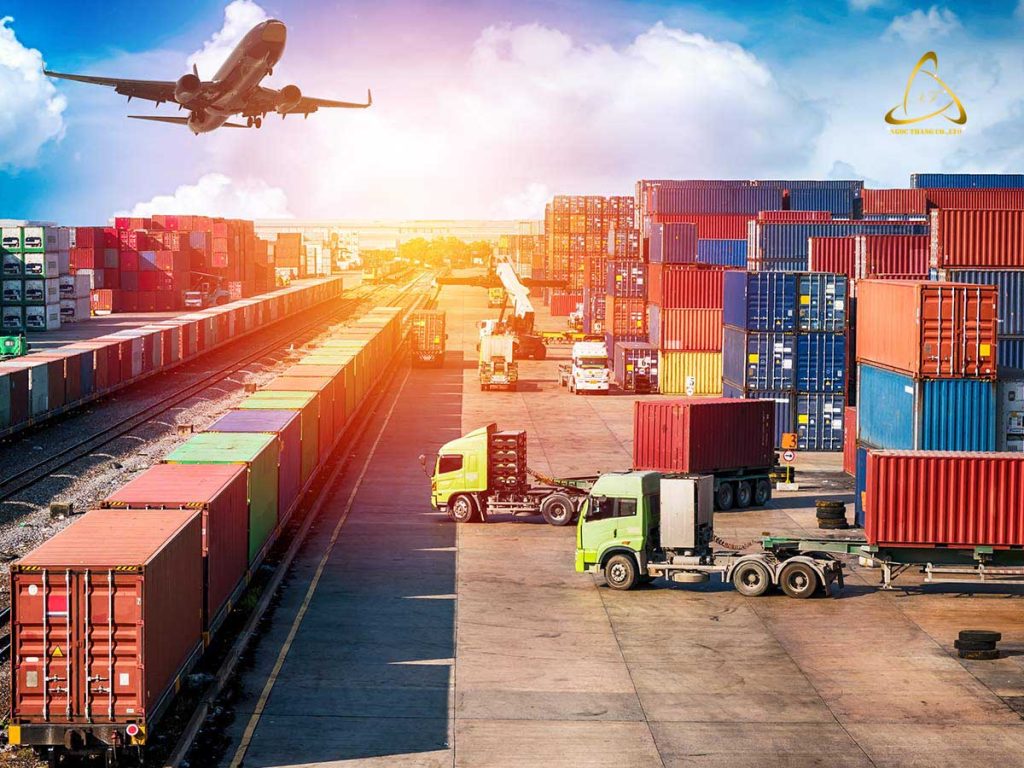
Introduction to Drayage
In the intricate web of logistics, drayage plays a pivotal role, serving as the vital link between various transportation modes—primarily for shipping containers. Drayage refers to the transportation of shipping containers over short distances, typically from ports to warehouses, distribution centers, or other transport hubs. This crucial segment often forms part of a larger journey, bridging the gap between different transportation methods such as ocean freight and land transport. Understanding the nuances of drayage is essential for logistics providers, importers, and exporters alike, ensuring efficient operations and cost-effectiveness.
Definition of Drayage
Drayage is defined as the transportation of cargo over a short distance, typically using trucks or other vehicles designed for freight transport. The distance can vary but is generally between 20 to 50 miles. Within logistics, drayage is particularly significant as it connects modal operations, facilitating the passage of goods from one transportation mode to another. It is often an integral part of intermodal shipping, where cargo is transported in a single container by multiple modes of transport.
Historical Context and Evolution
The history of drayage dates back to the inception of trade and transportation, where goods were moved between locations by simple horse-drawn carts. With the advent of mechanized transport in the 20th century, drayage evolved significantly, particularly with the growth of intermodal shipping in the mid-20th century. The expansion of global trade and containerization necessitated a more sophisticated approach to drayage, leading to increased specialization within the industry.
Today, drayage companies often use advanced logistics software to optimize routes and streamline operations, reflecting the technologic advancements that have transformed the logistics landscape.
Importance of Drayage in Supply Chain
Drayage is a crucial component of supply chain management, serving to enhance efficiency and minimize delays in transporting goods. With the consistent rise in e-commerce and global shipping, effective drayage operations have become more essential than ever. Key reasons for its importance include:
- Speed: Quick transfer of shipping containers reduces overall delivery times, critical for time-sensitive goods.
- Cost-Effectiveness: Efficient drayage minimizes transportation costs and reduces the risk of storage fees at ports or warehouses.
- Simplified Logistics: By integrating drayage services into the broader shipping process, logistics can become more cohesive and easier to manage.
Types of Drayage Services
Intermodal Drayage
Intermodal drayage involves the transportation of containers between different modes of transport, typically from a port to an intermodal facility. This type of service allows shippers to optimize their supply chains by utilizing the best transportation methods available, effectively balancing cost and efficiency. For instance, goods may arrive at a port via ocean freight and then be transferred to trucks for local delivery.
Transloading Drayage
Transloading drayage is a specific segment of drayage where cargo is transferred from one container to another. This is often necessary when products need to be repackaged or consolidated for easier handling and delivery. For example, a ship might unload containers filled with smaller items at a port, where these items would be transferred into larger trucks to finalize delivery to various destinations.
Local and Long-Haul Drayage
Drayage can also be classified based on distance:
- Local Drayage: Typically involves transporting goods over shorter distances within metropolitan areas. It often caters to routine operations such as port-to-warehouse movements.
- Long-Haul Drayage: This type covers distances beyond the typical radius and generally becomes necessary in situations where longer transportation segments are involved such as from a rail yard to a distant warehouse.
Drayage Process Flow
Steps in the Drayage Cycle
The drayage process is systematic and involves several critical steps:
- Arrival at Port: The process begins with the arrival of shipping containers at the port where customs clearance and documentation processes are initiated.
- Load Confirmation: Once cleared, dispatch instructions are confirmed, including details about the pickup and drop-off locations, and the respective timelines.
- Transportation: Containers are loaded onto trucks, and delivery to the specified location proceeds.
- Drop-off: Upon arrival at the delivery point, containers are unloaded, and the receipt of cargo is documented.
- Return of Empty Containers: Depending on arrangements, empty containers may need to be returned to the port or other designated locations.
Key Stakeholders in Drayage Operations
Drayage operations involve various stakeholders, each contributing to the effective functioning of the logistics ecosystem:
- Shippers: Responsible for initiating the shipment and ensuring all documents are accurate and compliant.
- Carriers: Trucking companies that provide the transportation services for moving containers.
- Ports and Terminals: Facilitate the initial and final transfer points for containers and manage logistics at their locations.
- Customs Brokers: Act as intermediaries to ensure compliance with international trade regulations and facilitate swift clearance processes.
Documentation and Compliance in Drayage
Documentation plays a crucial role in the drayage process, ensuring that all involved parties are accountable and that goods are transported legally. Key documents required for drayage include:
- Bill of Lading: A legal document between the shipper and carrier detailing the type, quantity, and destination of the goods.
- Customs Declaration: Necessary documentation declaring the goods for customs clearance, ensuring compliance with respective laws.
- Container Release Order: Issued by the shipping line to release the container to the trucker for pickup.
Challenges and Solutions in Drayage
Common Industry Challenges
Despite its importance, the drayage sector faces a myriad of challenges, including:
- Congestion: Ports often experience heavy traffic, which can lead to delays in the loading and unloading of containers.
- Regulatory Compliance: Navigating through complex regulations can be daunting, especially for international shipments.
- High Costs: Fluctuating fuel prices and operational costs can affect overall profitability and sustainability.
Technological Solutions for Drayage Efficiency
In tackling the challenges of drayage, technology has stepped up to provide solutions that enhance operational efficiency:
- Real-Time Tracking: GPS technology allows for real-time tracking of shipments, providing visibility and enhancing customer satisfaction.
- Automation: Automated systems for documentation and inventory management help reduce errors and enhance processing speed.
- Data Analytics: Leveraging big data to forecast demand and optimize routes can significantly cut down on delays and costs.
Best Practices for Effective Drayage Management
To ensure successful drayage operations, logistics providers can implement several best practices:
- Optimize Routing: Use software tools to identify the most efficient routes to minimize travel time and costs.
- Regular Training: Training staff on current technologies and safety protocols to ensure compliance and efficiency.
- Strengthen Partnerships: Building strong relationships with all stakeholders, including carriers, ports, and customs brokers, can improve communication and streamline processes.
The Future of Drayage
Emerging Technologies Impacting Drayage
The future of drayage is poised for transformation, driven by emerging technologies such as:
- Artificial Intelligence: AI-driven systems can enhance decision-making processes, automate scheduling, and optimize shipment routing.
- Electric and Autonomous Vehicles: As electric vehicles become prevalent in logistics, the sustainability of drayage transportation will improve. Meanwhile, autonomous trucking solutions may offer cost savings and efficiency gains.
- Blockchain: Utilization of blockchain technology for better documentation and traceability promises to enhance transparency and streamline processes.
Sustainability Trends in Drayage
As environmental concerns grow, the logistics industry increasingly emphasizes sustainable practices. In the drayage sector, this translates to:
- Reduced Emissions: Adoption of electric trucks and optimized routing to minimize fuel consumption and emissions.
- Eco-Friendly Packaging: Encouraging shippers to use sustainable materials that reduce waste during transportation.
- Green Certifications: Seeking eco-certifications to appeal to environmentally conscious consumers and businesses.
Market Predictions and Opportunities
Market analysis indicates that the drayage market will continue to expand as global trade grows. Key opportunities for improvement include:
- Technological Integration: Companies that integrate advanced technologies into their operations are likely to gain a competitive edge.
- Diverse Service Offerings: Providing flexible and innovative drayage solutions will meet the evolving needs of shippers.
- Investment in Infrastructure: Greater investment in port infrastructure and inland logistics facilities can alleviate congestion and improve efficiency.